Belgium Versus Equatorial Guinea Flags: A Comparative Analysis of National Symbols
National flags serve as powerful symbols of identity, history, and pride for countries around the world. When comparing the Belgium Versus Equatorial Guinea Flags, it becomes evident that while both represent sovereign nations, their designs, meanings, and cultural significance differ greatly. This article explores these differences in detail, offering a comprehensive understanding of how each flag reflects its country’s unique heritage and values.
The Belgium Flag: A Symbol of Unity and Heritage
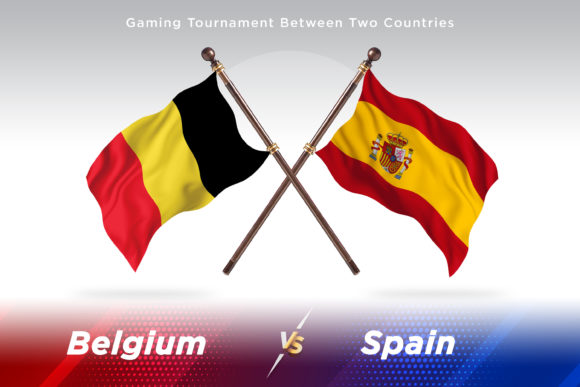
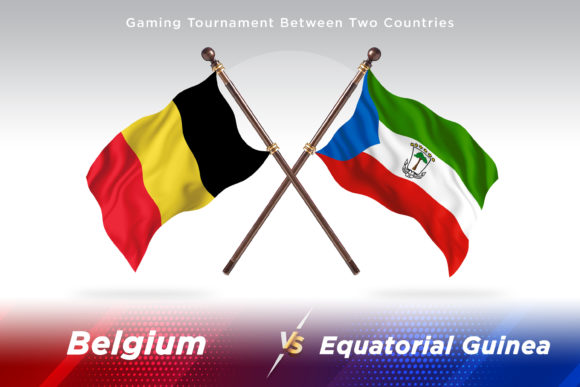
The national flag of Belgium is a tricolor composed of three vertical stripes—black, yellow, and red. These colors are derived from the House of Wettin, one of the noble families with historical ties to the region. The Belgian flag has been in use since 1830 and is recognized worldwide for its simplicity and elegance. It is often displayed in a 3D waving position in illustrations, where it appears dynamic and lifelike against an isolated background.
One of the key features of the Belgium flag is its balanced design. The black stripe on the left symbolizes the coal miners who played a crucial role in Belgium's industrial development, the yellow represents agriculture and commerce, and the red stands for bravery and sacrifice. This triad of colors not only reflects the nation’s economic structure but also its resilience through history.
The Equatorial Guinea Flag: Embodying Freedom and Diversity
In contrast, the flag of Equatorial Guinea consists of four horizontal bands—green, red, yellow, and blue—with a white star centered in the top green band. Adopted in 1979 after the country gained independence, the flag encapsulates the spirit of freedom and the diverse natural resources of the nation. Like the Belgium flag, it can be illustrated in a 3D waving position, allowing designers to showcase its vibrancy and symbolism effectively.
Each color on the Equatorial Guinea flag carries deep meaning. Green represents the lush forests and agricultural wealth of the country, red honors the blood spilled during the struggle for independence, yellow symbolizes mineral and oil wealth, and blue reflects the Atlantic Ocean. The white five-pointed star at the center is a nod to the unity of the people under one government.
Design Differences and Cultural Representation
When analyzing the Belgium Versus Equatorial Guinea Flags, the most noticeable difference lies in their layout and color schemes. Belgium uses vertical stripes, which convey a sense of order and stability, whereas Equatorial Guinea opts for horizontal bands, suggesting movement and progress. Both flags, however, are designed to be easily recognizable and adaptable to various formats, including digital media and print.
The Belgium flag’s minimalist approach allows it to stand out in any context, making it ideal for international branding or patriotic displays. Meanwhile, the Equatorial Guinea flag’s vibrant palette and central emblem make it more expressive, suitable for contexts emphasizing cultural diversity or national pride.
Use Cases and Best-Fit Situations
Choosing between the Belgium Versus Equatorial Guinea Flags depends largely on the intended purpose. For instance:
- Belgium flag: Often used in global events, political discussions, or educational materials about European nations due to its clean and recognizable design.
- Equatorial Guinea flag: More commonly featured in African-themed projects, historical reenactments, or when highlighting post-colonial identity.
Designers working with these flags may prefer having them isolated on individual layers within a PSD file. This setup provides flexibility for editing, layer adjustments, and customizing compositions without altering the original flag graphics. The ability to edit via smart objects further enhances this workflow, especially when resizing or adapting the flags for different resolutions such as 4500 x 3000 px.
Strengths and Tradeoffs in Design and Application
Both flags offer distinct advantages depending on the project requirements:
- Belgium flag strengths:
- Simplicity makes it versatile for a wide range of applications.
- High visibility due to contrasting colors.
- Easily scalable without losing clarity or detail.
- Equatorial Guinea flag strengths:
- Vivid colors and a central emblem add visual interest.
- Strong representation of post-colonial themes and natural wealth.
- Offers more symbolic depth for storytelling and thematic design.
However, there are also tradeoffs. The Belgium flag, while simple, may lack the visual complexity needed for certain artistic or thematic illustrations. On the other hand, the Equatorial Guinea flag, though rich in symbolism, might require more careful composition to avoid overshadowing other elements in a design.
Practical Considerations for Designers and Researchers
If you're working on a Two Flags Versus concept illustration, selecting the right flags is essential. The Belgium and Equatorial Guinea flags provide a compelling visual contrast, particularly when placed side by side in a 3D waving format. Their isolation on separate layers ensures that each flag can be manipulated independently, preserving accuracy and design integrity.
For professionals seeking high-quality assets, having access to official country flags in multiple formats (PSD, JPEG, PNG) is invaluable. These files allow for precise editing and integration into various projects, from presentations and posters to digital campaigns and infographics. The Belgium Versus Equatorial Guinea Flags set is well-organized, ensuring ease of navigation and use.
Alternatives and Similar Options
While the Belgium Versus Equatorial Guinea Flags provide a strong example of national flag comparison, there are other options worth considering. Many countries have flags with similar design philosophies—some using tricolor layouts like Belgium, while others incorporate emblems or geographic references like Equatorial Guinea. The choice ultimately hinges on the message you wish to convey and the audience you aim to reach.
For those interested in broader comparisons, exploring flags from neighboring regions or flags with shared historical narratives can yield insightful results. However, it’s important to ensure that all flags used are accurate and officially recognized to maintain credibility and respect for national symbols.
When to Choose Belgium Versus Equatorial Guinea Flags
The Belgium Versus Equatorial Guinea Flags may be the right choice if your goal is to highlight contrasts in design, geography, or historical context. For example, in a presentation about European versus African national identities, these two flags could serve as effective visual anchors.
They are also well-suited for:
- Comparative studies in art, history, or political science.
- Graphic design projects requiring layered and editable assets.
- Illustrations where visual impact and symbolism are equally important.
On the flip side, if your project demands flags with more intricate details or requires a specific regional theme not represented by these two, you may need to look elsewhere. Fortunately, many flag sets offer additional options, and you can request specific flags not included in the bundle for more tailored needs.
Final Thoughts on Choosing the Right Flag Assets
In conclusion, the Belgium Versus Equatorial Guinea Flags exemplify the diversity of national symbols across the globe. Each offers a unique combination of design elements and cultural meaning, making them valuable for both academic and creative purposes. By understanding their distinctions and best-fit scenarios, you can make a more informed decision when incorporating them into your work.
Whether you're designing a poster, preparing a report, or simply exploring the visual language of flags, the Belgium and Equatorial Guinea flags provide a solid foundation for meaningful comparison. Their availability in professional graphic formats and organized layer structures supports efficient and accurate design processes, helping you create impactful visuals that resonate with your audience.