Exploring the Concept of Country Flag Illustrations: Benin vs. Australia, Belize vs. Australia
In the digital age, visual content has become a cornerstone of communication, especially when it comes to representing countries and their identities. One popular format that combines design and symbolism is the "Two Flags" illustration concept — such as Benin versus Australia or Belize versus Australia. These illustrations are not just artistic representations; they serve practical purposes in branding, education, marketing, and design projects. This article will explore what these flag illustrations entail, their significance, how they can be used, and why having them in high-quality formats like PSD, JPEG, and PNG is so valuable.
What Are Two Flags Versus Illustrations?
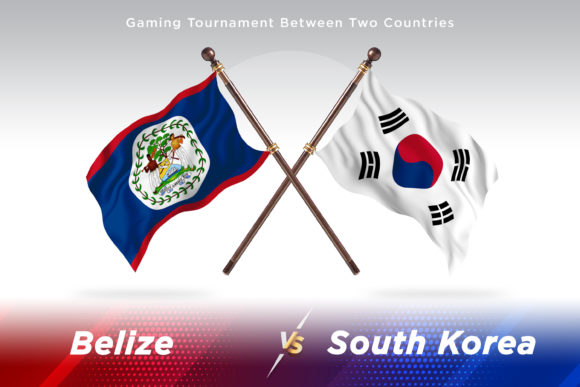
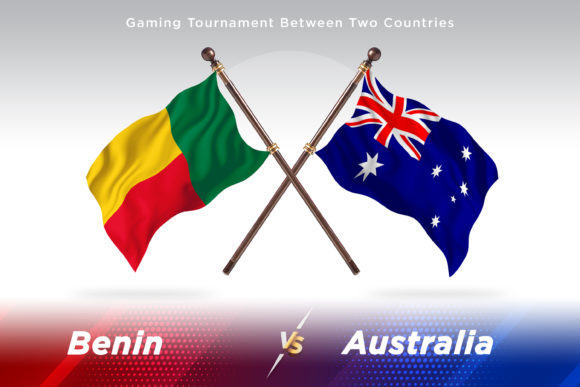
A "Two Flags versus" illustration typically shows two country flags positioned opposite each other, often in a dynamic 3D waving style against an isolated background. The idea is to create a visual comparison or contrast between the two nations. These designs are commonly used for:
- Competitive branding, such as sports events or international competitions.
- Cultural comparisons in educational materials or presentations.
- Design elements in websites, posters, infographics, and promotional materials.
When we talk about specific combinations like Benin versus Australia or Belize versus Australia, the goal is to visually represent the unique characteristics of both countries while maintaining a professional and clear layout. Each flag is placed on its own layer with the proper name, making it easy to edit and customize for different needs.
The Purpose and Significance of Country Flag Illustrations
Country flags are more than just colors and symbols; they represent national identity, history, and values. When designers place two flags side by side in a "versus" format, they invite viewers to consider differences and similarities in a way that's engaging and accessible.
Visual Representation of National Identity
Flags are instantly recognizable and carry deep cultural meaning. For example, the Australian flag features the Union Jack and a Southern Cross, symbolizing its British colonial past and geographic location in the Southern Hemisphere. In contrast, the Benin flag consists of vertical stripes of white, green, and maroon, representing peace, agriculture, and the blood of those who died for the nation’s independence.
Similarly, the Belize flag showcases a sun rising over a central emblem, surrounded by alternating blue and gold stripes. It reflects the country’s natural beauty and aspirations for prosperity. By placing these flags together in a "versus" illustration, you highlight these distinct identities and spark curiosity among your audience.
Use in Branding and Marketing
These types of illustrations are particularly useful in branding scenarios where a business wants to showcase its global reach or engage with audiences from multiple countries. A company promoting products in both Benin and Australia, for instance, might use a "Benin versus Australia" illustration to demonstrate market diversity or cultural relevance.
Such visuals also support event-based marketing. If a competition involves teams from Belize and Australia, using a "Belize versus Australia" illustration can help promote the event with a strong visual identity that resonates with fans of both countries.
How to Use These Flag Illustrations Effectively
Whether you're a designer, marketer, educator, or entrepreneur, understanding how to use country flag illustrations can enhance your work significantly. Here are some practical ways to incorporate them into your projects:
1. Website Design and Digital Content
Using a "Two Flags versus" illustration can add visual interest to landing pages, blog posts, or e-commerce sites targeting international markets. You could use a Benin versus Australia image to introduce a section on cross-cultural trade or tourism opportunities between the two countries.
With access to the original PSD file (4500 x 3000 px), you can easily modify the illustration to suit your brand’s color scheme or add text overlays. Smart objects make editing straightforward without compromising quality.
2. Presentations and Educational Materials
For educators or presenters, these illustrations offer a quick and effective way to compare geographical regions, political systems, or economic partnerships. A teacher explaining international relations might use a Belize versus Australia illustration to discuss diplomatic ties or environmental cooperation between small island nations and larger continents.
Having the flags isolated on separate layers allows for flexibility in presentation design. You can animate one flag at a time, highlight key symbols, or even replace one flag with another if needed.
3. Print Media and Promotional Materials
Flag illustrations are also ideal for print media such as brochures, posters, and banners. A tourism agency promoting travel packages to both Benin and Australia could use a high-resolution JPEG or PNG version of the illustration to grab attention and convey the destinations’ unique charm in a single image.
Technical Features and Benefits of High-Quality Files
Creating professional-looking designs requires more than just good artistry; it demands technical precision. That's why having access to well-organized files in various formats is essential for any project involving flag illustrations.
1. Editable Layers and Smart Objects
One of the most powerful aspects of receiving these illustrations in a Photoshop (PSD) file is the ability to edit individual components. Each flag is placed on its own layer with the correct name, which means you can adjust colors, positioning, or even add new flags to the composition without affecting the rest of the design.
Smart objects allow non-destructive editing. If you need to resize a flag or apply filters, you can do so without losing resolution or clarity. This is particularly important for large-scale prints or high-definition displays.
2. Multiple File Formats for Flexibility
Receiving the illustration in three common file formats — PSD, JPEG, and PNG — gives you options depending on your project requirements:
- PSD – Best for editing and customization.
- JPEG – Ideal for web use due to smaller file size and broad compatibility.
- PNG – Preferred for transparency and higher image quality, suitable for logos or overlays.
3. Resolution and Scalability
The illustration provided is 4500 x 3000 pixels, which ensures it looks sharp and detailed whether displayed on a smartphone screen or projected onto a large banner. High resolution is crucial for maintaining professionalism and ensuring your message stands out clearly.
Why Is This Design Approach Popular?
There are several reasons why the "Two Flags versus" illustration is gaining traction in the creative industry:
Simplicity and Clarity
These illustrations cut through the noise by presenting complex information in a simple, visual format. Instead of writing lengthy descriptions comparing Benin and Australia, you can show the flags and let the viewer draw their own conclusions.
Universal Recognition
Almost everyone recognizes their country's flag. Using this universal language makes the illustration immediately relatable, regardless of the viewer's background or level of expertise. Whether you're discussing sports rivalries or international trade agreements, a flag illustration adds context and familiarity.
Adaptability Across Industries
From politics to technology, the "Two Flags versus" illustration can adapt to many industries. For example, a tech startup launching services in Belize and Australia might use the illustration in a pitch deck to emphasize market expansion. A fashion brand could use it to highlight a collaboration between artisans from both countries.
Common Misunderstandings About Flag Illustrations
While these illustrations are widely appreciated, there are some misconceptions worth addressing:
Misconception 1: They’re Only for Sports Events
Though commonly used in sports-related contexts, "Two Flags versus" illustrations have far broader applications. They can be used in diplomacy, education, marketing, and even social media campaigns to illustrate themes like cultural exchange, international collaboration, or geopolitical dynamics.
Misconception 2: Any Flag Image Can Be Used
This isn’t true. Official country flags must be represented accurately in terms of colors, proportions, and symbols. Using incorrect or poorly designed flags can lead to misinterpretation or even offense. Professional illustrations ensure authenticity and respect for each nation’s identity.
Expanding Your Collection with Custom Flags
If you find yourself needing to include flags beyond Benin, Australia, and Belize, don't worry — many designers offer the option to request additional flags. This is especially helpful if you're working on a project involving multiple countries or creating a custom series of "versus" illustrations for a specific purpose.
By adding flags from other nations, you can tailor the design to fit your exact needs. Whether you're building a global map for a report or designing a logo for a multinational organization, having accurate and editable flag assets is invaluable.
Conclusion: The Power of Visual Storytelling with Flags
Country flag illustrations, particularly the "Two Flags versus" format, are a powerful tool for visual storytelling. They bring clarity to complex topics, enhance branding efforts, and provide a culturally sensitive way to represent national identities. With high-resolution images, layered PSD files, and smart object editing capabilities, these illustrations empower both beginners and experienced designers to create compelling content tailored to their audience's needs.
Whether you're comparing Benin and Australia or exploring a Belize versus Australia theme, the right flag illustration can elevate your message and connect with people around the world. As globalization continues to shape our lives, learning to harness these visual tools effectively is not just beneficial — it's essential.