Belgium Versus Indonesia Two Flags: A Strategic Visual Tool for Global Context
Understanding the Belgium Versus Indonesia Two Flags Concept
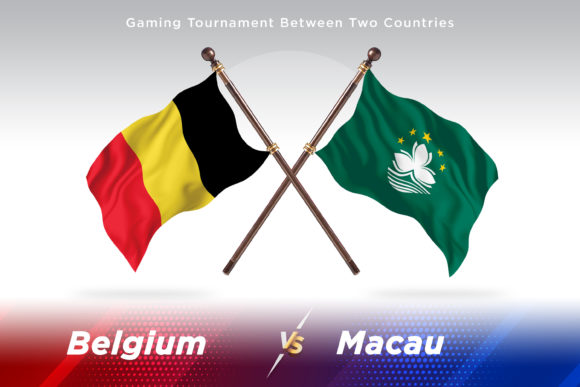
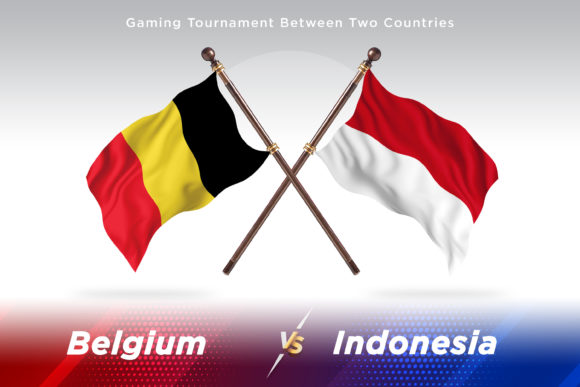
The Belgium versus Indonesia Two Flags concept is more than just a visual pairing of two country flags. It serves as an illustrative tool that can be leveraged across various professional and creative fields to represent contrast, comparison, or collaboration between different cultural, economic, or political entities. This design element typically features the official flag of Belgium and Indonesia in high-resolution 3D waving positions, isolated on their own layers with clear labeling. Such clarity makes it ideal for digital content creation, branding materials, presentations, and strategic planning tools where geographical representation is necessary.
When used effectively, this illustration can help professionals communicate complex ideas with visual simplicity. For example, in international business settings, the Belgium versus Indonesia Two Flags image can symbolize market expansion, trade agreements, or cross-cultural partnerships. In education or media, it can serve as a visual anchor when discussing global events, historical contexts, or diplomatic relations.
Strategic Use in Business and Marketing
Incorporating the Belgium versus Indonesia Two Flags into marketing and business strategies can offer several advantages. One of the most impactful uses is in presentations related to market diversification or international outreach. By placing both flags side by side, you create an immediate visual reference point for stakeholders to understand the scope of your operations or ambitions.
For instance, if a European company is looking to expand its supply chain to Southeast Asia, using this illustration can quickly establish a connection between Belgium (a central European hub) and Indonesia (a key player in the region). The visual contrast helps highlight the differences in geography, culture, and infrastructure while also emphasizing potential synergies.
- Brand Positioning: If your brand operates in multiple countries, these flags can reinforce your global identity in logos, brochures, or website banners.
- Content Creation: Bloggers, publishers, and educators can use the Belgium versus Indonesia Two Flags image to enhance articles or slides dealing with geopolitics, trade, or cultural studies.
- Product Launches: When launching a product tailored to both European and Asian markets, this graphic can be part of promotional material to indicate relevance and adaptability.
Design Flexibility and Practical Application
One of the main strengths of the Belgium versus Indonesia Two Flags design is its flexibility. With file formats like PSD, JPEG, and PNG provided, users have the freedom to modify the illustration without compromising quality. The inclusion of smart objects in the PSD file means that even those with basic design knowledge can edit the flags' size, position, or color schemes to suit specific needs.
Well-organized layers ensure that each flag remains distinct and editable. This level of detail is especially valuable when creating custom designs that require precise alignment with other elements such as text, charts, or infographics. Whether you're designing a report on international trade flows or crafting a presentation for a board meeting, the layered structure allows for seamless integration and professional results.
Planning Tips for Effective Use
- Define the Purpose: Before using the Belgium versus Indonesia Two Flags in any project, clarify whether you want to emphasize contrast, similarity, or a partnership dynamic. This will guide how you place and style the flags.
- Consider Cultural Sensitivity: Ensure that the colors and positioning of the flags do not inadvertently convey unintended messages. Research local customs or consult with experts if needed.
- Match Visual Tone: Align the style of the flags with the overall aesthetic of your project. For corporate materials, a clean and minimalist approach may work best. For creative campaigns, experimenting with bolder compositions might be appropriate.
- Use as a Symbolic Element: Rather than literal representation, think about using the flags metaphorically—such as representing dual values, innovation vs tradition, or north-south dynamics in policy discussions.
Enhancing Communication and Creativity
Visual communication is a powerful tool in today’s fast-paced digital world. The Belgium versus Indonesia Two Flags illustration can simplify complex concepts by turning them into recognizable symbols. For marketers, this could mean highlighting the reach of a campaign across continents. For designers, it opens up new avenues for storytelling through imagery.
Creators can utilize this design to develop compelling visuals for social media posts, web banners, or infographic-style reports. Because the flags are already rendered in 3D and set against an isolated background, they integrate smoothly into modern layouts. This saves time and effort compared to sourcing and editing separate flag images from stock libraries.
Additionally, the ability to edit via smart objects gives you full control over how the flags appear within your design. You can adjust transparency, add shadows, overlay text, or combine them with other elements to build a cohesive visual message. This level of customization supports creativity while maintaining professionalism, which is essential for standing out in competitive industries.
Realistic Use Cases and Decision-Making Guidance
Let’s explore some realistic scenarios where the Belgium versus Indonesia Two Flags could be beneficial:
- International Trade Reports: Use the flags to visually represent the origin and destination of goods or services, making data easier to digest at a glance.
- Geopolitical Analysis: In educational or news-related content, the flags can illustrate alliances, conflicts, or neutral stances in regional or global politics.
- Language and Cultural Training Materials: Pair the flags with relevant languages, traditions, or case studies to provide learners with a contextual framework.
- Event Branding: For international summits or conferences involving representatives from both nations, the flags can be integrated into event themes, invitations, or signage.
When deciding to use this illustration, consider the following questions:
- What is the primary message I want to convey?
- How does the Belgium versus Indonesia Two Flags align with my audience's expectations or understanding?
- Is there a need to add additional flags for a broader perspective? If so, make sure they’re included in the design bundle or sourced appropriately.
- Will this visual support my long-term goals, or is it being used as a temporary filler?
Risks of Using Flags Without Clear Strategy
While the Belgium versus Indonesia Two Flags illustration offers many benefits, it can become counterproductive if used without intention. Random placement of flags may confuse the audience or dilute the message you wish to deliver. Worse still, it could lead to misinterpretations, particularly if the flags are not clearly labeled or positioned in a way that suggests conflict or competition where none exists.
Another risk lies in the misuse of flag symbolism. In some cultures, the way flags are presented can carry significant weight. For example, placing one flag higher than another might unintentionally suggest superiority or hierarchy. To avoid such pitfalls, always validate the context of your usage and ensure that the visual narrative aligns with your intended meaning.
Lastly, relying too heavily on static flag images without supporting data or explanations can reduce the effectiveness of your communication. Flags should complement—not replace—clear, actionable information. Always pair them with strong copy or visual cues that explain their relevance.
Long-Term Value and Integration into Operations
For businesses with global aspirations, the Belgium versus Indonesia Two Flags can be a recurring visual motif that reinforces brand identity and mission. Over time, integrating such elements into your operations can help maintain a consistent tone and visual language across all touchpoints—whether internal communications, client-facing documents, or public relations efforts.
Consider the following long-term applications:
- Internal Workshops: Use the flags during strategy sessions to visualize international team collaborations or project milestones.
- Customer Experience Design: Incorporate the flags subtly into user interfaces for platforms serving both regions, helping users feel represented and understood.
- Training Modules: Develop training content that uses the flags to teach employees about cultural nuances, legal frameworks, or market entry strategies.
- Long-Term Planning Tools: Embed the flags in roadmaps or timelines to track progress in multi-national initiatives.
Maximizing ROI Through Thoughtful Deployment
To get the most value from the Belgium versus Indonesia Two Flags, treat it as a strategic asset rather than a decorative element. Think about how it can support decision-making processes, improve clarity in messaging, or enhance learning outcomes. Its impact is maximized when it is aligned with clear objectives and integrated thoughtfully into the design ecosystem.
For entrepreneurs or freelancers working on global projects, this illustration can streamline the process of building trust and credibility. Including the correct flags in the right context signals professionalism and attention to detail—both critical for long-term success in international markets.
Conclusion: A Tool for Intentional Global Representation
The Belgium versus Indonesia Two Flags illustration is a versatile and practical resource for anyone involved in international work. From marketing professionals to educators, it provides a quick and effective way to communicate geographic relevance and cultural awareness. However, its true power lies in how it is applied with intention and purpose.
By considering the strategic implications, respecting cultural nuances, and leveraging the design’s flexibility, you can turn this simple graphic into a meaningful component of your larger vision. Avoid using it as a generic placeholder and instead let it serve as a foundation for thoughtful communication and informed decision-making.
Remember, the right visuals don’t just decorate your message—they elevate it. When used correctly, the Belgium versus Indonesia Two Flags becomes more than an image; it becomes a bridge between ideas, audiences, and outcomes.