Belgium Versus Laos Two Flags: A Unique Concept for Modern Designers
In today’s fast-paced digital world, visual content plays a crucial role in communication. Whether you're designing for marketing campaigns, educational materials, or creative projects, having the right imagery can make all the difference. The Belgium versus Laos Two Flags concept illustration offers a fresh and versatile way to incorporate country flags into your designs with clarity, flexibility, and style.
What Is Belgium Versus Laos Two Flags?
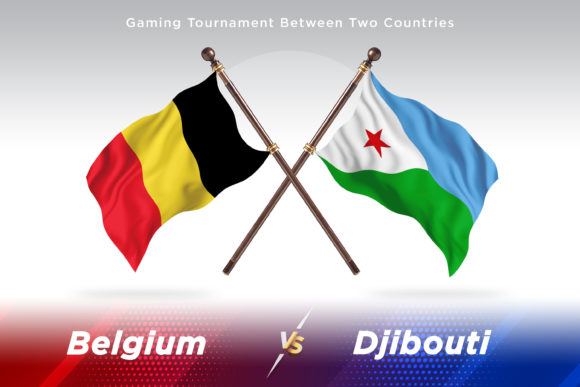
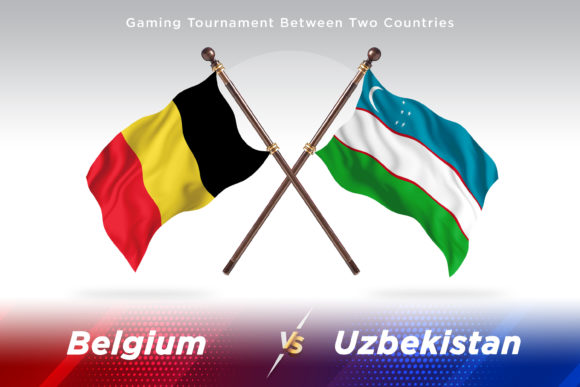
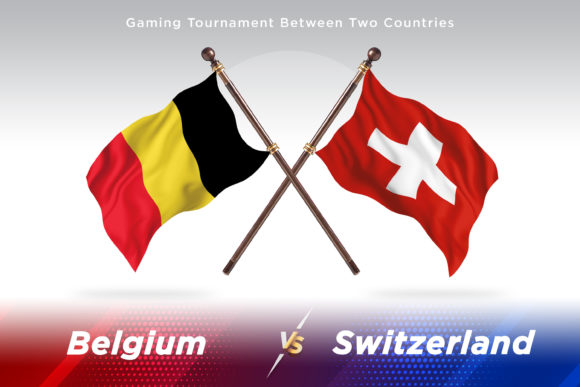
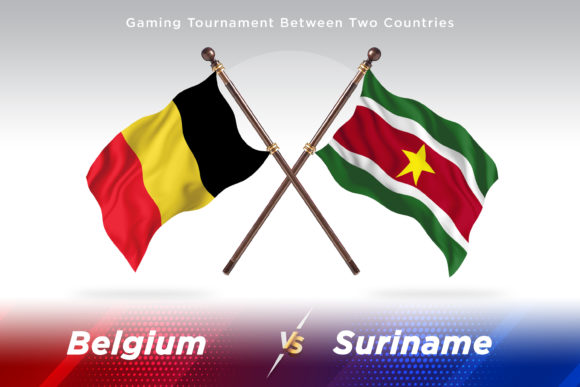
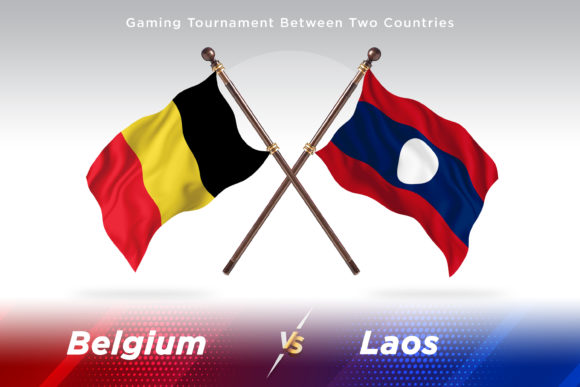
The Belgium versus Laos Two Flags design is a high-quality 3D illustration featuring the official national flags of Belgium and Laos displayed side by side in a dynamic waving position. This concept is ideal for representing cultural contrasts, international themes, or geopolitical comparisons in a visually appealing format. The flags are rendered with precision and presented on an isolated background, ensuring they stand out clearly without any distractions.
Each flag is placed on its own individual layer within the provided PSD file, making it easy to customize and manipulate. With dimensions of 4500 x 3000 pixels, this illustration is suitable for both web and print use, from large banners to social media posts. Additionally, the package includes JPEG and PNG formats for convenience, allowing you to integrate the design seamlessly into various platforms and workflows.
Why It Matters in Today’s Creative Landscape
Designers across industries—from branding and advertising to education and journalism—are increasingly looking for assets that reflect global perspectives. As businesses expand internationally and audiences become more diverse, there is a growing need for visuals that accurately represent different countries and cultures. The Belgium versus Laos Two Flags illustration meets this demand by offering a clear, professional depiction of two distinct nations.
This type of asset also aligns with the rise of data visualization and infographics. When comparing regions, economic trends, or political systems, using flags as visual anchors helps viewers quickly identify and relate to the subject matter. The layered structure and smart object editing capabilities ensure that the design remains adaptable, enabling professionals to tailor the illustration to their specific needs without compromising quality.
Evolution of Flag-Based Visuals
In the past, incorporating country flags into design work often meant sourcing low-resolution images or manually creating vector graphics. These methods were time-consuming and limited in flexibility. However, with the advancement of 3D rendering and smart design tools, illustrators now have access to high-quality, scalable assets that maintain consistency and professionalism across all mediums.
The Belgium versus Laos Two Flags illustration reflects this evolution. By isolating each flag on its own layer and providing editable smart objects, it empowers users to modify colors, positions, and even add additional flags if needed. This level of customization was once a challenge, but now it's streamlined for efficiency and creativity.
Practical Applications Across Industries
For marketers and advertisers, this illustration can be used in campaigns promoting international travel, trade partnerships, or cross-cultural initiatives. For example, a tourism company might highlight the contrast between European and Southeast Asian destinations using the Belgium and Laos flags to symbolize these regions.
Freelancers and entrepreneurs can benefit from this resource when building portfolios or client presentations that showcase global reach. Educators and content creators may find it useful in teaching geography, history, or political science, where visual aids help reinforce learning concepts.
Here are some common use cases:
- Website Headers and Banners: Highlighting international themes or services with a clean, modern look.
- Social Media Content: Creating engaging posts that compare or celebrate different cultures and nations.
- Infographics and Reports: Adding visual interest and clarity to complex data sets involving multiple countries.
- Print Materials: Incorporating flags into brochures, posters, or presentations for added impact.
How to Use the PSD File Effectively
One of the standout features of the Belgium versus Laos Two Flags illustration is its well-organized layers. This makes it easy to navigate and edit, even for those who are new to Photoshop. The smart object functionality allows you to change the size, color, or shape of the flags without affecting the resolution or detail of the image.
To get started, simply open the PSD file and explore the layers panel. You’ll notice that each element—such as the Belgian black-yellow-red tricolor and the Laotian blue-white-orange flag—is neatly labeled and separated. This means you can move them independently, apply effects, or replace them with other flags if needed.
If you require flags beyond Belgium and Laos, many designers offer custom additions. Just let them know which flags you’d like included, and they can create a revised version tailored to your project’s scope.
Adapting to Changing User Expectations
Modern audiences expect content that is not only informative but also visually striking. Static flags no longer suffice; instead, there is a preference for dynamic, realistic illustrations that evoke emotion and tell a story. The 3D waving effect in the Belgium versus Laos Two Flags concept addresses this shift, bringing movement and depth to what could otherwise be a flat graphic.
Additionally, users now value speed and ease of use. Providing multiple file formats (JPEG, PNG, and PSD) ensures compatibility across platforms and streamlines the workflow for designers who may not have advanced software at their disposal. The ability to quickly switch between transparent backgrounds and full-color versions adds further versatility.
Realistic Examples and Recommendations
Imagine you’re designing a presentation for a multinational corporation. You want to emphasize the company’s presence in Europe and Southeast Asia. Using the Belgium versus Laos Two Flags illustration, you can place the flags next to key performance indicators or regional statistics, helping your audience draw immediate connections.
Another example is a blog post about diplomatic relations between Western and Eastern nations. The illustration can serve as a header image, reinforcing the theme while maintaining a clean aesthetic that complements written content.
For best results, consider the following tips:
- Use Smart Objects: This preserves the integrity of the flags during resizing and editing.
- Leverage Layer Organization: Take advantage of the separate layers to fine-tune positioning and visual hierarchy.
- Match Color Themes: Adjust the flags' colors to align with your brand identity or project palette.
- Request Custom Additions: If your project involves more countries, don’t hesitate to ask for updated versions with extra flags.
Integrating Into Modern Workflows
As remote collaboration becomes the norm, having assets that are easy to share and edit is essential. The Belgium versus Laos Two Flags illustration supports collaborative environments by being fully editable and compatible with most design software. Teams working on international projects can easily adapt the illustration to meet evolving requirements without needing to start from scratch.
Moreover, with the increasing use of AI and automation in design, having structured, layered files enhances integration with these tools. They can recognize individual components and suggest enhancements based on layout or color preferences.
Conclusion
The Belgium versus Laos Two Flags illustration is more than just a static image—it’s a powerful tool for modern creatives. Its combination of realism, scalability, and customization makes it a valuable addition to any designer’s toolkit. Whether you’re looking to highlight cultural diversity, support a global campaign, or simply enhance your visual storytelling, this resource provides a solid foundation.
With the right approach, you can transform how you present international themes and engage your audience in meaningful ways. And if your needs go beyond Belgium and Laos, the option to request additional flags keeps your creative possibilities open and flexible.