Belgium Versus Slovenia Two Flags Design
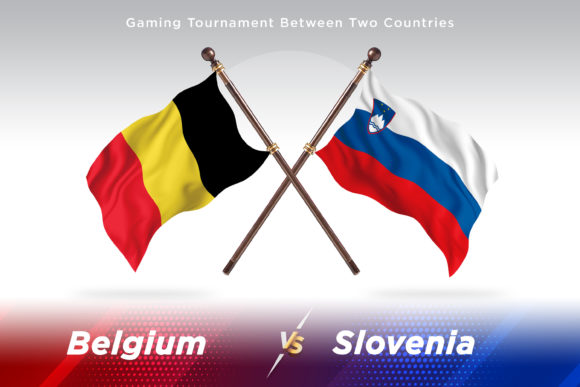
In today’s fast-paced digital world, visual content plays a pivotal role in communication. Whether you're preparing a presentation, designing marketing materials, or creating an infographic for your blog, having high-quality and editable flag illustrations can make all the difference. The Belgium Versus Slovenia Two Flags concept illustration is a powerful tool for professionals who need to represent these two nations clearly and creatively. This design showcases the official flags of Belgium and Slovenia in a 3D waving format, isolated on their own layers with smart object support for easy customization.
What Makes This Illustration Unique?
The Belgium versus Slovenia Two Flags Versus illustration is more than just a static image—it's a dynamic asset that allows for seamless editing and integration into various projects. Each flag is presented with precision, using the exact colors and proportions of the official national flags. The design features a clean background, ensuring that the flags remain the focal point without unnecessary distractions.
This resource is especially valuable when you need to create a comparison between the two countries—whether it's for political analysis, cultural studies, sports events, or travel-related content. With this illustration, you can quickly highlight contrasts or similarities between Belgium and Slovenia, making your message clearer and more visually compelling.
Practical Benefits for Professionals
One of the most significant advantages of using this design is its adaptability. Marketers and designers can edit the flags directly within Adobe Photoshop via smart objects, allowing them to resize, recolor, or reposition elements without losing quality. This feature is particularly useful for those who want to incorporate the flags into logos, banners, or social media graphics tailored to specific campaigns or themes.
- Improved Presentation: When presenting data about European countries, visuals like the Belgium versus Slovenia Two Flags illustration can help your audience grasp key points faster. For instance, educators could use this in geography lessons to compare the two nations’ historical backgrounds or cultural identities.
- Time Efficiency: Having pre-designed, layered flags means you don’t have to start from scratch every time you need to include them in a project. Freelancers working under tight deadlines will appreciate the ability to drop this into their designs and tweak it as needed.
- Creative Flexibility: Entrepreneurs and small business owners can leverage this illustration to build unique branding assets that reflect international collaboration or competition. If you're promoting a product in both Belgium and Slovenia, using these flags side by side can enhance local relevance and visual storytelling.
- Stronger Communication: In political or economic reports, the flags serve as clear symbols. Using a professionally rendered Belgium versus Slovenia Two Flags illustration helps eliminate confusion and ensures your message is delivered with clarity and authority.
Use Cases Where This Design Shines
Consider how this design might apply to different industries and scenarios:
- Political Analysts: When discussing EU policies or bilateral agreements between Belgium and Slovenia, this illustration provides a visual anchor that supports complex narratives. It can be used in infographics, whitepapers, or webinars to reinforce key geopolitical points.
- Travel Bloggers: If you’re comparing travel experiences between Belgium and Slovenia, including this graphic in your article or video thumbnails adds a professional touch. It can also be used to highlight flight routes, cultural differences, or popular tourist spots associated with each country.
- Graphic Designers: The well-organized PSD file makes it ideal for customizing. You can easily replace the flags with others if needed, thanks to the modular structure. This flexibility is crucial when clients request changes or require additional flags not included in the initial set.
- Marketing Agencies: Running a campaign that targets both countries? This illustration can be integrated into email headers, website mockups, or promotional videos to create a sense of connection or contrast depending on the message.
Why Choose This Over Generic Flag Images?
Many stock images and flat vector illustrations of flags lack depth and scalability. The Belgium versus Slovenia Two Flags illustration offers a 3D effect that mimics real-world movement, giving your design a polished and modern look. Additionally, since each flag is on its own layer, you can manipulate them independently. This level of detail isn't always available in free or generic flag packs found online.
For example, if you're creating a logo that represents a joint venture between companies in Belgium and Slovenia, the ability to adjust the size, angle, or position of each flag ensures that your final design aligns perfectly with your brand identity. Unlike many standard flag sets, which are grouped together in fixed positions, this one encourages creative freedom while maintaining professionalism.
Who Can Benefit Most From This Resource?
Several types of users will find this illustration particularly beneficial:
- Content Creators: Bloggers, vloggers, and influencers who frequently discuss international topics will enjoy the convenience of having ready-to-use, high-resolution flag graphics.
- Design Agencies: These agencies often work on global projects where accurate and adaptable visuals are essential. The inclusion of JPEG and PNG files alongside the PSD caters to different client needs and platforms.
- Event Planners: Organizing a virtual or physical event involving Belgium and Slovenia? This design can be used in invitations, backdrops, or promotional material to add a touch of authenticity and visual appeal.
- Academic Institutions: Educators teaching history, politics, or economics can integrate this illustration into slideshows or posters to engage students and simplify complex concepts.
Real-World Applications and Creative Possibilities
Let’s explore some practical applications. A blogger writing about Eurovision Song Contest performances might use the Belgium versus Slovenia Two Flags illustration to introduce a post comparing the two countries' entries over the years. The flags can be placed at the top of the article, subtly reinforcing the theme without overwhelming the reader.
Another scenario involves a publisher preparing a book on European architecture. They could use the flags in chapter headings to indicate the origin of the buildings discussed. Since the flags are isolated and properly named, they can be moved around freely to match layout preferences.
Entrepreneurs launching a new app with Belgian and Slovenian markets in mind may include this graphic in landing pages or press releases. The flags act as visual cues that signal the app's availability in both regions, building trust and familiarity with the target audience.
Technical Advantages for Designers
The 4500 x 3000 px resolution ensures that the illustration remains sharp even when scaled up for large displays or printed materials. The layered structure is intuitive, with each component clearly labeled. This makes it easier to modify individual parts of the design without disrupting the overall composition.
Smart objects allow non-destructive editing, meaning you can change the appearance of the flags (such as color overlay or transparency) without affecting the original artwork. This is a huge plus for anyone looking to experiment with different looks or maintain consistency across multiple projects.
Moreover, the inclusion of both JPEG and PNG formats gives you options for transparent backgrounds or photo-realistic effects. For instance, placing the flags over a map of Europe would be much cleaner with a PNG file due to its transparent layer.
Limitations and Considerations
While the Belgium versus Slovenia Two Flags illustration is highly versatile, it’s important to consider its scope. The bundle includes only these two flags, so if your project requires more flags from other countries, you’ll need to either expand the design yourself or request additional ones. However, the modular nature of the PSD makes adding new flags relatively straightforward if you already have access to them in compatible formats.
Also, keep in mind that this illustration is best suited for digital or print projects where flag accuracy and visual impact matter. It may not be appropriate for formal legal or governmental use unless specifically authorized. Always verify the intended purpose before deploying such assets in sensitive contexts.
Enhancing Your Workflow with This Asset
Using this illustration can streamline your workflow in several ways. For marketers, it eliminates the need to source separate flag images and manually composite them. For educators, it reduces preparation time when creating visual aids. And for entrepreneurs, it accelerates the development of international-facing collateral, helping you launch campaigns faster and with greater polish.
Imagine you're a freelancer preparing a pitch deck for a client interested in expanding to both Belgium and Slovenia. By integrating the Belgium versus Slovenia Two Flags illustration early in the presentation, you immediately establish a visual link between the two countries and the opportunity at hand. This subtle but effective approach can influence decision-making and demonstrate your attention to detail.
Final Thoughts on Value and Use
The Belgium Versus Slovenia Two Flags illustration is a compact yet powerful design asset that serves a wide range of purposes. Its combination of realism, flexibility, and organization makes it suitable for anything from simple presentations to sophisticated marketing campaigns. Whether you're a designer, educator, marketer, or content creator, this illustration can help you communicate ideas more effectively and efficiently.
By choosing this resource, you gain access to a professionally crafted visual that respects the integrity of official flags while offering the creative freedom to adapt them to your specific needs. It’s a rare balance of formality and functionality that speaks to the demands of modern visual storytelling.