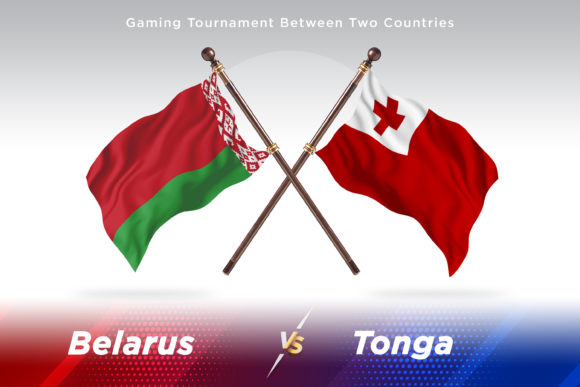
Understanding the Concept of Country Flags in Design: Belarus Versus Tonga and Beyond
Country flags are powerful symbols that represent national identity, history, and culture. They are used globally in various contexts—political, educational, commercial, and creative—to denote allegiance or origin. In the world of graphic design and digital illustration, country flags serve not only as identifiers but also as essential elements for creating engaging and informative visual content.
The Significance of Official Country Flags
Every nation has an official flag, often designed with deep cultural or historical meaning. These flags can be found in government buildings, on vehicles, at international events, and even in personal collections. When it comes to design projects, using authentic and accurate representations of these flags is crucial for both credibility and professionalism.
For example, the flag of Belarus features two horizontal bands of red and green, symbolizing courage and hope. On the other hand, the Tonga flag consists of a red field with a white border and the Union Jack in the canton, reflecting its historical ties to the United Kingdom. Understanding the symbolism behind each flag helps designers create more meaningful and respectful illustrations.
Why Use Flag Illustrations in Design?
- Representation of Diversity: Flags allow designers to showcase the diversity of countries and cultures in a single visual piece.
- Geographic Context: In maps, infographics, or presentations, including flags gives immediate context about the location or participants involved.
- Branding and Identity: Companies with global operations may use flags to highlight their international presence or partnerships.
- Event Promotion: International events such as sports competitions, conferences, or exhibitions often feature flags from participating nations.
Exploring the "Belarus Versus Tonga" Two Flags Concept
The concept of “Belarus versus Tonga” when illustrated with two flags side by side is a common way to visually compare or contrast different countries. This could be part of a larger theme like cultural differences, economic comparisons, or geopolitical discussions. In design terms, this kind of illustration is useful for educational materials, marketing campaigns, and data visualization projects.
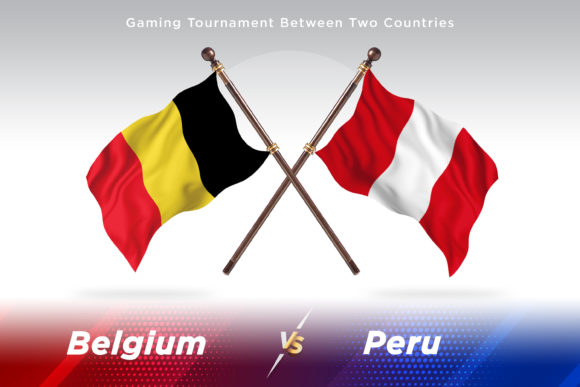
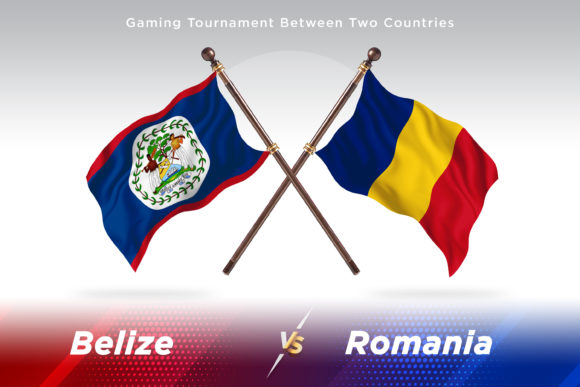
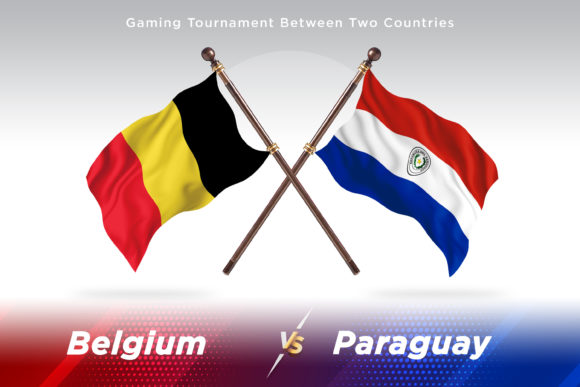
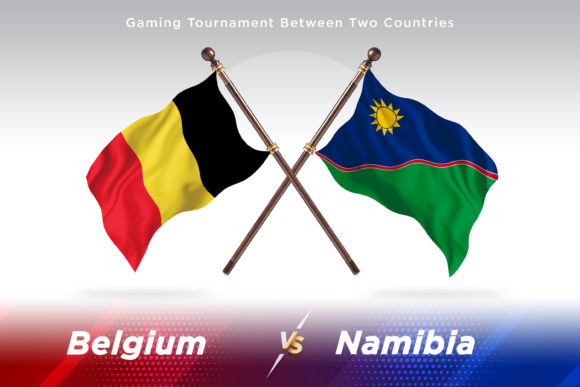
Such illustrations typically place the two flags on an isolated background to emphasize clarity and focus. The 3D waving position adds realism and dynamism, making the flags stand out in the composition. This approach is popular in modern web and print design because it enhances user engagement and makes the content more visually appealing.
Key Features of the Two Flags Illustration File
If you're working with a design file titled “Belarus Versus Tonga Two Flags,” here's what you might expect:
- 1 PSD File (4500 x 3000 px): A high-resolution Photoshop file suitable for detailed editing and customization.
- 1 JPEG and 1 PNG File: Ready-to-use image formats for quick integration into websites, presentations, or social media platforms.
- Edit via Smart Objects: This allows for non-destructive editing, ensuring that you can change colors, shapes, or add effects without losing quality.
- Well-Organized Layers: Each flag is placed on its own layer, making it easy to manipulate individual components or replace them if needed.
Practical Uses of Two Flags Illustrations
These types of illustrations have many real-world applications across different industries:
Education and Research
In classrooms or academic settings, comparing flags can be an effective way to teach geography, politics, or cultural studies. For instance, showing the Belarus flag next to the Tonga flag can spark discussions about the unique histories and identities of these two distinct nations.
Business and Marketing
Companies operating internationally can use flag illustrations to highlight their reach or collaborations. If your business works with partners in Belarus and Tonga, a well-designed flag comparison can be included in reports, brochures, or promotional materials to reinforce the global aspect of your operations.
Creative Projects and Social Media
Graphic designers and content creators often use flag illustrations in posters, banners, or social media posts related to travel, sports, or international events. For example, a designer creating a post for a travel blog might show the flags of countries visited or featured in the itinerary.
Technology and Web Design
With the rise of globalization, many websites now include language selectors or region-based content. Using flag icons or illustrations helps users quickly identify available options. In this context, having flags isolated on layers ensures flexibility for developers to integrate them seamlessly into responsive designs.
How to Incorporate More Flags into Your Design
While the “Belarus versus Tonga” bundle provides a ready-to-use set of flags, there are times when you may need to add others to expand the scope of your project. Fortunately, most design files come with instructions or support to help you incorporate additional flags. Here’s how you can do it effectively:
- Identify the Need: Determine which other countries' flags are relevant to your project. Are you focusing on regional alliances? Cultural exchanges? Global trade?
- Find High-Quality Images: Ensure the flags you add are official and properly scaled. You can source them from reputable design marketplaces or official government sites.
- Maintain Consistency: Keep the style, color accuracy, and layout consistent with the existing flags to preserve the integrity of the design.
- Use Smart Object Layers: Adding new flags as smart objects will maintain scalability and make future edits easier.
Common Misunderstandings About Country Flags
Despite their widespread use, there are several misconceptions surrounding country flags:
- Flags Represent Governments Only: While flags are associated with governments, they also represent people, culture, and values. It's important to treat them with respect and awareness.
- All Flags Have the Same Meaning: Every flag tells a unique story. For example, the Belarus flag has evolved over time, while the Tonga flag reflects colonial history. Knowing the backstory enriches the design process.
- Using Generic or Low-Quality Images Is Acceptable: In professional settings, using low-quality or incorrect versions of flags can damage your credibility. Always use official and high-resolution sources.
Choosing the Right Format for Your Project
When working with country flags in design, choosing the right file format is essential for quality and compatibility:
- PSD Files: Ideal for designers who want full control over the elements. With layers and smart objects, adjustments can be made easily without compromising quality.
- JPEG Files: Best suited for web use due to smaller file sizes and good compression. However, they are not editable and lose some detail compared to PSDs.
- PNG Files: Preferred for transparency and sharpness. PNGs are excellent for logos, overlays, or any design element where clarity is key.
Each of these formats has its advantages, so your choice should depend on the specific needs of your project.
Enhancing Creativity with Flag Illustrations
Flag illustrations offer a wealth of creative possibilities. Whether you're designing a poster for an international conference or crafting a presentation for a global audience, these elements can help convey complex ideas in a simple and impactful way.
Here are a few tips for using flag illustrations creatively:
- Layering and Depth: Use shadows, gradients, or perspective techniques to give the flags a three-dimensional look and feel.
- Color Harmony: Pair flags with complementary colors or backgrounds that enhance their visibility without clashing.
- Symbolic Groupings: Organize flags based on themes such as continents, languages, or economic blocs to tell a broader story.
Real-World Examples of Flag-Based Design
Let’s consider some scenarios where flag illustrations are particularly effective:
- International Sports Events: At the Olympics or World Cup, flags are used to represent teams and athletes from around the globe.
- Travel Agencies and Tourism: Websites and brochures often use flags to indicate destinations, helping travelers quickly identify locations.
- Political Campaigns: Candidates and parties use flags in their branding to connect with local or international audiences.
- Language Learning Apps: Flags are commonly used to differentiate between languages or regions within the app interface.
Ensuring Accuracy and Respect in Flag Usage
Accuracy is key when incorporating country flags into your design. Misrepresenting a flag—even unintentionally—can lead to misunderstandings or offense. To avoid this:
- Verify Dimensions and Colors: Ensure that the flag matches the official proportions and color codes.
- Respect Cultural Sensitivities: Some flags have religious or historical significance. Be mindful of how and where they are displayed.
- Stay Updated: Occasionally, countries update their flags. Double-check for any recent changes before finalizing your design.
Conclusion
Country flags are more than just colorful symbols; they are vital tools in communication and design. Whether you’re illustrating a “Belarus versus Tonga” comparison or building a comprehensive global representation, using official flags in a well-organized, high-quality format ensures your work is both credible and visually compelling.
By understanding the purpose and proper use of flags, you can elevate your design projects and engage your audience more effectively. Remember, when you need to include additional flags beyond the initial bundle, always prioritize authenticity and respect in your selections.
Explore the world through flags, and let your creativity soar with every new layer you add!