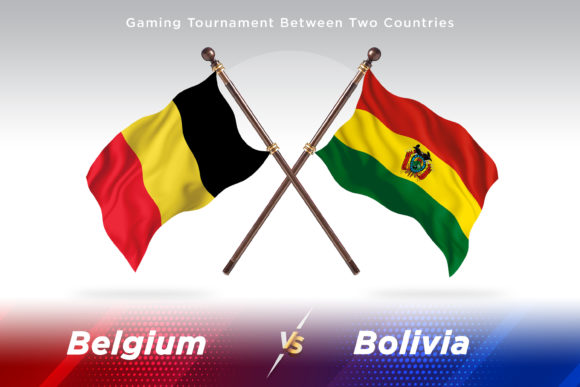
Belgium Versus Bolivia Two Flags Design
The concept of Belgium Versus Bolivia Two Flags is more than just a visual pairing of two national emblems—it’s a powerful design tool for professionals and creatives who want to make a statement with flags in an isolated, high-quality format. Whether you're designing for a competition, marketing campaign, educational project, or simply need a clean background illustration, this 3D waving flag concept offers flexibility and clarity.
What Is Belgium Versus Bolivia Two Flags?
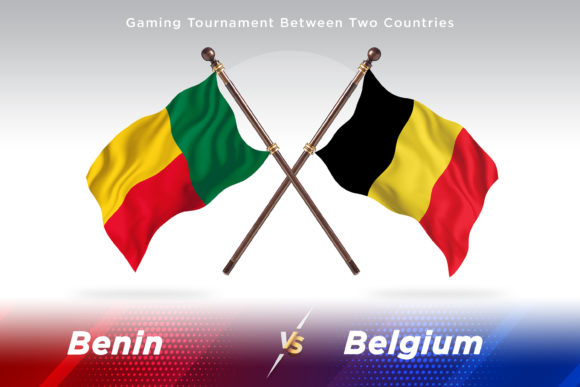
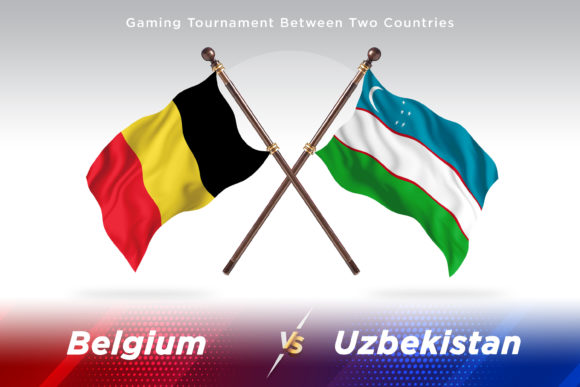
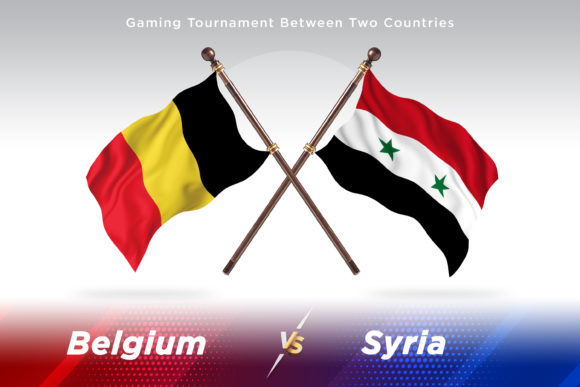
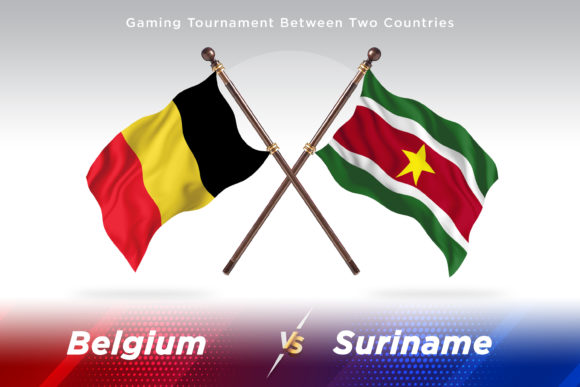
Belgium Versus Bolivia Two Flags refers to a digital illustration that showcases the official flags of Belgium and Bolivia side by side. These flags are rendered in a 3D waving style, placed on separate layers, and set against an isolated background. This makes it easy to integrate them into various projects without worrying about color clashes or background interference.
The illustration includes both the Belgian tricolor—black, yellow, and red—and the Bolivian flag, which features three horizontal stripes (red, yellow, green) and a green triangle with a white star at the hoist. The attention to detail ensures that each flag adheres strictly to its official design and proportions.
Why It Matters for Designers and Content Creators
For designers, marketers, and educators, having access to accurate and editable country flags is essential. Using unlicensed or poorly designed flags can lead to inaccuracies or even legal issues. With Belgium Versus Bolivia Two Flags, users get a professionally crafted resource that's not only visually appealing but also compliant with international standards.
This illustration comes in multiple formats including PSD, JPEG, and PNG, ensuring compatibility across different platforms and software. The inclusion of smart objects in the PSD file allows for easy customization—whether you’re resizing, recoloring, or integrating the flags into a larger design layout.
Key Features That Set It Apart
- High Resolution: At 4500 x 3000 pixels, the image provides excellent quality for print or web use.
- Layer Organization: Each flag is on its own layer with clear naming, making editing straightforward and efficient.
- Smart Object Support: Edit your designs without compromising resolution or quality.
- Isolated Background: Perfect for overlaying on custom backdrops or incorporating into animations.
- 3D Waving Effect: Adds dynamism and realism, making the flags stand out in any composition.
Practical Applications Across Industries
The Belgium Versus Bolivia Two Flags illustration is incredibly versatile and finds relevance in several real-world applications:
Marketing and Branding
Marketers often require visuals that represent countries in campaigns related to travel, trade, or international events. This design helps create engaging content that clearly distinguishes between Belgium and Bolivia, supporting brand messaging with authenticity and precision.
Example: A global tour company launching a promotional video for South America could use the Bolivian flag prominently while subtly placing the Belgian flag in the background to highlight cultural contrasts or partnerships.
Education and Presentations
Teachers and students working on geography lessons, political science presentations, or cultural comparisons benefit from using accurate, layered flag illustrations. The clean format supports annotation and interactive learning tools.
Imagine a PowerPoint slide comparing European and South American nations—having the flags of Belgium and Bolivia ready for insertion saves time and maintains professionalism in academic materials.
Graphic Design and Creative Projects
Graphic designers frequently need assets that are both creative and precise. This illustration fits perfectly into posters, infographics, or social media posts where country representation matters. Its layered structure allows for seamless integration into existing artwork or repositioning as needed.
Freelancers might use the Belgium Versus Bolivia Two Flags concept to create banners for international sports events, such as a friendly match between teams from the two countries. The waving effect adds movement and energy to the design.
Digital Content Creation
Bloggers, YouTubers, and publishers can enhance their storytelling with this visual asset. When discussing topics like diplomatic relations, economic ties, or historical events involving these countries, showing their flags clearly and accurately strengthens the message.
A travel blogger planning a post titled “From Europe to the Andes” could use the flags as part of a header graphic, helping readers instantly associate the destinations with their respective identities.
Business and Corporate Use
Companies involved in international trade or those with offices in both regions may find this illustration useful for internal communications, reports, or branding initiatives. It serves as a subtle yet effective reminder of global presence and collaboration.
Consider a corporate presentation that outlines market expansion plans. Featuring the flags of Belgium and Bolivia in a well-designed layout can help stakeholders visualize the scope of operations.
Benefits of Using This Illustration
Choosing the right visual assets can significantly impact the success of a project. Here’s why the Belgium Versus Bolivia Two Flags illustration stands out:
- Accuracy: Both flags are based on official sources, ensuring they reflect authentic designs.
- Time Efficiency: With pre-isolated layers and smart object support, editing becomes fast and hassle-free.
- Professional Appearance: The high-resolution 3D rendering elevates the overall look of any project.
- Communication Clarity: Visuals help break down complex concepts, especially when representing two distinct countries.
- Flexibility: Suitable for print, digital screens, animations, and more thanks to the variety of file formats included.
Usability and Customization
One of the most significant advantages of this illustration is its usability. The PSD format enables non-destructive editing through smart objects, so users can adjust colors, scale, or add effects without losing quality. For those who prefer rasterized images, the JPEG and PNG files offer ready-to-use options that maintain crispness and clarity.
Designers can easily replace one flag with another if needed. If a client wants to compare Belgium with a different nation instead of Bolivia, swapping the flags is a breeze with the layered structure. This adaptability ensures the illustration remains valuable beyond its initial purpose.
Real-World Examples and Use Cases
Let’s explore some practical scenarios where the Belgium Versus Bolivia Two Flags illustration proves beneficial:
- Travel Agencies: Creating brochures or website banners that juxtapose European and South American destinations.
- Event Planners: Incorporating the flags into event invitations or signage for international conferences or sports matches.
- Educational Platforms: Using the flags in e-learning modules for geography or world history courses.
- News Websites: Adding the flags to articles or infographics covering bilateral relations, trade agreements, or cultural exchanges.
- Entrepreneurs: Including the flags in pitch decks or business proposals targeting markets in both countries.
Observations and Recommendations
When using this illustration, it’s important to consider the context and audience. In professional settings, maintaining a neutral and respectful tone is key. Avoid overcomplicating the design—let the flags speak for themselves by keeping backgrounds simple and focused.
Also, remember that flags carry deep cultural and historical significance. Always ensure the placement and usage align with appropriate symbolism and etiquette. For instance, in formal documents or logos, the position of each flag should be carefully considered to avoid unintended implications.
How to Get Started
If you're interested in leveraging the Belgium Versus Bolivia Two Flags illustration for your next project, here are some tips to help you choose and implement it effectively:
- Assess Your Needs: Determine whether you’ll need the PSD for editing or if a static JPEG/PNG will suffice.
- Check File Compatibility: Ensure your software supports smart objects if you plan to modify the flags directly.
- Request Additional Flags: If your project involves other countries, don’t hesitate to ask for those flags to be added to the bundle.
- Use Layered Elements Wisely: Take advantage of the organized layers to build more complex compositions or animate the flags independently.
- Maintain Consistency: Keep the illustration consistent with your brand guidelines or project theme to preserve visual harmony.
Implementation Best Practices
To maximize the value of this illustration, follow best practices during implementation:
- Test Different Layouts: Experiment with how the flags interact with your chosen background or text elements.
- Optimize for Purpose: Choose the right file format depending on whether you're printing, uploading online, or creating animations.
- Respect Proportions: Never stretch or distort the flags; always keep their original aspect ratios intact.
- Integrate Thoughtfully: Balance the flags with other design components to avoid overwhelming the viewer.
- Stay Updated: If there are changes to either flag’s design, request updated versions to ensure accuracy.
Final Thoughts
In today’s interconnected world, visual representations of countries play a crucial role in communication, branding, and education. The Belgium Versus Bolivia Two Flags illustration meets the demand for clarity, quality, and ease of use in a single, adaptable package.
Whether you're a designer looking to streamline your workflow, a marketer aiming to boost engagement, or an educator enhancing your lesson plans, this resource offers a reliable and stylish way to incorporate national symbols into your work. By focusing on practicality and precision, it empowers users to create impactful designs that resonate globally.
So next time you need a clean, scalable flag comparison for Belgium and Bolivia, consider how this 3D illustration can elevate your project’s professionalism and visual appeal.