Belgium Versus Kuwait Two Flags: Strategic Use of Country Flag Illustrations in Design and Communication
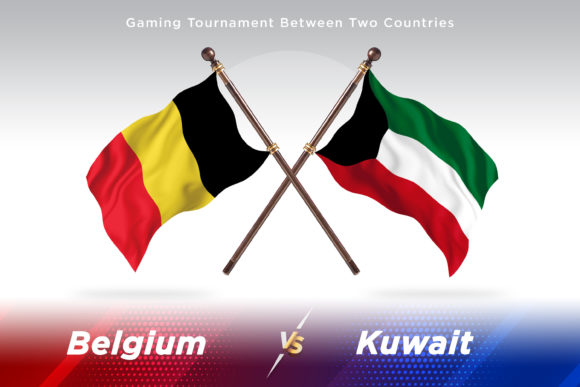
In the world of design, marketing, and creative content development, visual elements play a crucial role in conveying meaning effectively. One such element is the use of official country flags, which can represent cultural identity, international partnerships, or geopolitical themes. The Belgium versus Kuwait two flags concept illustration—featuring high-quality 3D waving flag designs for Belgium and Kuwait—is an excellent example of how these symbols can be harnessed strategically to enhance clarity, engagement, and purpose in your work.
Understanding the Belgium Versus Kuwait Two Flags Concept
The Belgium versus Kuwait two flags illustration typically presents both national flags in a side-by-side format, each isolated on its own layer with accurate color representation and dynamic positioning. This type of visual setup is especially useful when you need to highlight comparisons, contrasts, or symbolic relationships between the two countries. Whether you're designing for a business presentation, educational material, or digital campaign, having access to well-structured and scalable assets like this can significantly streamline your workflow.
This illustration includes multiple file formats (PSD, JPEG, PNG), ensuring compatibility across various platforms and design tools. The PSD file allows for easy customization via smart objects, while the raster versions are ideal for quick integration into web or print projects. With layers clearly labeled and organized, professionals can efficiently manipulate each flag independently without compromising quality or coherence.
Strategic Applications of Belgium Versus Kuwait Two Flags
When used thoughtfully, the Belgium versus Kuwait two flags illustration can support a range of strategic objectives:
- International Branding and Positioning: Businesses operating in both European and Middle Eastern markets may find it valuable to incorporate these flags into branding materials. They help communicate presence, relevance, and cultural awareness.
- Geopolitical Analysis and Reporting: Journalists, educators, and analysts can leverage the flags to create visually compelling reports, infographics, or presentations that compare policies, economic ties, or historical events between the two nations.
- Event Promotion and Cultural Representation: If you're organizing a global event or promoting a cross-cultural initiative, including these flags can signal inclusivity and foster a sense of shared purpose.
- Website Headers and Landing Pages: The flags can serve as engaging background elements or headers for pages focused on international relations, trade agreements, or travel information involving Belgium and Kuwait.
Planning Your Use of the Two Flags Illustration
Before integrating the Belgium versus Kuwait two flags into any project, consider the following planning points to ensure alignment with your goals:
- Define the Purpose: Are you highlighting a partnership? Contrasting political systems? Explaining market differences? Clarify your objective before choosing the right visual style.
- Understand Your Audience: Will your audience recognize the significance of these flags? For instance, in a European context, Belgium's flag may be more familiar than Kuwait's, so contextual explanations might be necessary.
- Align with Color Schemes: Both flags have distinct color palettes—Belgium’s tricolor of black, yellow, and red, and Kuwait’s green, white, and red. Ensure these colors complement your existing design to maintain visual harmony.
- Use Smart Objects for Flexibility: In the provided PSD file, smart objects allow for non-destructive editing. You can scale, rotate, or reposition the flags without losing resolution, making it easier to adapt them to different layouts.
Practical Examples of Usage
Here are some real-world examples where the Belgium versus Kuwait two flags illustration could be leveraged:
- Trade Reports: When presenting comparative data on exports from Belgium to Kuwait, placing the flags at the top of the document can immediately set the context and make the report more accessible.
- Cultural Exchange Programs: A brochure or website promoting student or professional exchange opportunities between Belgian and Kuwaiti institutions could feature the flags to emphasize collaboration.
- Diplomatic Summits: Visual aids for diplomatic meetings or conferences often include country flags to denote participants and alliances. The Belgium-Kuwait illustration can be adapted for such purposes with minimal effort.
- Travel Agencies: A destination guide or promotional poster showcasing travel routes between Europe and the Gulf region can benefit from the visual contrast of the two flags.
Design Considerations and Best Practices
To maximize the impact of the Belgium versus Kuwait two flags, keep the following design considerations in mind:
Layer Organization: The layered structure of the PSD file means you can easily adjust lighting, shadows, or positioning to fit your composition. For instance, if you want to place one flag behind a logo or graphic, the isolation makes it simple to do so without affecting the other elements.
Consistency in Context: While the flags themselves are powerful symbols, their effectiveness depends on how they’re contextualized. Avoid using them out of place; instead, integrate them into a broader narrative that supports your message.
Respect Cultural Sensitivities: Flags carry deep cultural and national significance. Always present them respectfully and accurately, especially when comparing or contrasting them with another nation’s symbol.
When to Avoid Using the Two Flags Concept
While the Belgium versus Kuwait two flags illustration is versatile, there are scenarios where it may not be appropriate or effective:
- If the subject matter doesn’t require a visual reference to either country.
- When the flags could be misinterpreted due to unclear context or improper placement.
- In projects where cultural neutrality is essential, such as global health campaigns or humanitarian efforts.
Using flags without clear intent can lead to confusion or unintended messages. It's important to evaluate whether the inclusion adds value or merely serves as decoration. A thoughtful approach ensures that your visuals reinforce rather than dilute your message.
Enhancing Creativity and Productivity with Flag Assets
For designers and creators, the availability of high-resolution flag illustrations like the Belgium versus Kuwait two flags offers several productivity advantages:
Time Efficiency: Rather than sourcing and editing individual flag images from the internet, you get a ready-to-use asset that meets professional standards. This saves time and reduces the risk of copyright issues.
Customization Potential: The smart object functionality in the PSD file lets you modify elements such as size, orientation, and background seamlessly. This flexibility encourages experimentation and creative iteration.
Learning Opportunities: Educators can use the flags in classroom settings to teach about geography, politics, or design principles. The layered structure also provides a practical lesson in working with complex Photoshop files.
Risks of Random Use and How to Mitigate Them
One of the most common mistakes when using flag illustrations is applying them randomly without considering the strategic implications. This can result in:
- A diluted brand message if the flags are not relevant to the core offering.
- Potential misinterpretation by audiences unfamiliar with the relationship between Belgium and Kuwait.
- Reduced visual impact due to poor composition or lack of hierarchy.
To mitigate these risks, always anchor the use of the Belgium versus Kuwait two flags within a defined theme or objective. Ask yourself: Does this visual add clarity or insight? If not, reconsider its inclusion. A deliberate strategy will yield better results and stronger communication.
Long-Term Value and Scalability
The Belgium versus Kuwait two flags illustration isn't just a one-time design tool—it can grow with your needs. As your business expands or your content evolves, these flags can be reused in updated versions of your materials. Their high resolution and layered format make them suitable for both current and future projects, ensuring long-term usability and return on investment.
Moreover, since the illustration is based on official country flags, it maintains authenticity and accuracy over time. Unlike generic stock images, it reflects the true identity of the represented nations, which is particularly important for businesses and organizations that prioritize trust and credibility.
Decision-Making Guidance for Marketers and Entrepreneurs
Entrepreneurs and marketers aiming to expand into new markets or build international partnerships should consider the Belgium versus Kuwait two flags as part of a larger visual identity toolkit. Here's how to approach the decision-making process:
- Assess Market Relevance: Is there a meaningful connection between your product, service, or campaign and both Belgium and Kuwait? Use the flags only if the link is authentic.
- Evaluate Design Needs: Do you require a scalable vector-based image or a high-quality raster version? Choose the format that best suits your platform and technical requirements.
- Test in Real Environments: Before finalizing usage, test the illustration in different contexts—mobile screens, print brochures, or large banners—to ensure it performs consistently.
Expanding the Collection with Additional Flags
If your project involves more than just Belgium and Kuwait, the illustration package offers room for expansion. Since the flags are isolated and named properly, adding additional flags from around the world is straightforward. Simply request the specific flags you need and integrate them into the same structured environment.
This scalability is especially beneficial for:
- Global business reports covering multiple regions.
- Multi-national team introductions or employee profiles.
- Interactive maps or infographics requiring consistent flag visuals.
By maintaining a uniform style and structure, you ensure that all added flags align visually and technically with the original Belgium and Kuwait flags, preserving a cohesive look across your content.
Conclusion
The Belgium versus Kuwait two flags illustration is more than just a design asset—it's a strategic component that can enhance communication, support branding initiatives, and provide visual clarity in international contexts. By understanding the nuances of when and how to use it, professionals can avoid common pitfalls and unlock greater value from their creative work.
Whether you're building a presentation, launching a new product in the Middle East, or educating an audience about global connections, the Belgium-Kuwait flag illustration offers a clean, professional, and adaptable solution. Use it intentionally, and let it contribute meaningfully to your outcomes.