Belgium Versus Mozambique Two Flags: A Guide to Choosing and Using Country Flag Illustrations Effectively
What Is Belgium Versus Mozambique Two Flags?
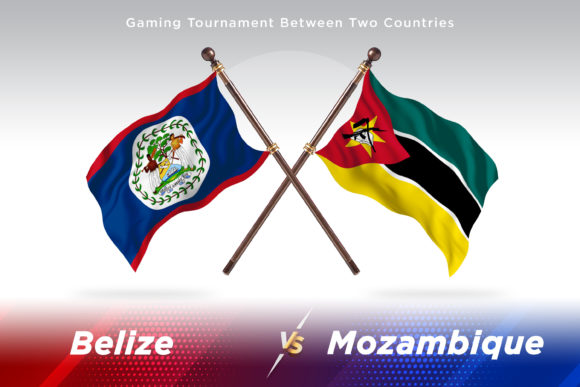
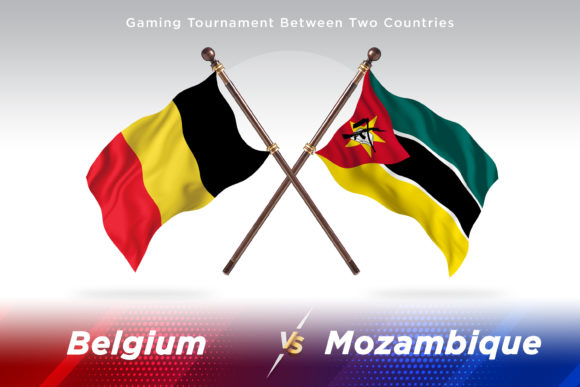
The term Belgium Versus Mozambique Two Flags refers to a design concept where the official flags of Belgium and Mozambique are illustrated side by side, often in a 3D waving format. These types of illustrations are popular among designers, marketers, educators, and content creators who need high-quality, customizable flag visuals for presentations, infographics, website headers, branding projects, or educational materials.
Such illustrations typically include both flags isolated on their own layers with clear labeling, making them easy to edit using graphic design software like Adobe Photoshop. The package might also come in multiple formats — such as PSD, JPEG, and PNG — giving users flexibility depending on their project needs.
Why People Are Interested in This Concept
There are several reasons why someone might seek out a Belgium versus Mozambique two flags illustration:
- Comparative designs: For creating visual comparisons between the two countries, especially in marketing campaigns or geopolitical discussions.
- Customization: Designers appreciate the layered structure and smart object features that allow for easy modifications without compromising quality.
- Clarity and professionalism: High-resolution images (often 4500 x 3000 px) ensure that the flags look sharp and clean in any context, from print to digital media.
- Global awareness projects: Educators and content creators use these visuals to help audiences recognize and understand different national symbols.
Common Mistakes When Choosing or Using Flag Illustrations
While flag illustrations can be incredibly useful, there are common pitfalls that even experienced professionals fall into when selecting or applying them. Here are some of the most frequent errors and how to avoid them:
1. Not Verifying the Authenticity of the Flags
One of the biggest mistakes is using inaccurate or outdated versions of country flags. In the case of Belgium versus Mozambique two flags, it's essential to confirm that both flags are current and officially recognized. Even small details — like proportions, colors, or emblem placement — can affect the legitimacy and perception of your work.
Example: If you’re designing a presentation about international trade agreements, using an incorrect version of either flag could undermine your credibility and confuse your audience.
Better approach: Always source flags from verified databases or government websites. When purchasing or downloading a flag bundle, check if the provider specifies that they use official country flags.
2. Ignoring File Format Requirements
Many users overlook the importance of choosing the right file format. While JPEGs are great for web use due to smaller file sizes, PNGs offer transparency and higher image fidelity. PSD files are ideal for further editing but may not be necessary for every project.
Example: A blogger might mistakenly download a JPEG file for a logo that requires transparent background support, leading to poor integration with their site’s design.
Better approach: Know what format you need before downloading. If you're unsure, go for the PSD file — it gives you full control and allows you to export to other formats later.
3. Overlooking Layer Organization
When working with complex illustrations, layer organization is key. A well-structured PSD file ensures that each flag is isolated and editable. However, many free or low-cost flag bundles don’t follow this standard, making customization difficult.
Example: Trying to change the background color behind one flag in a poorly organized PSD might require manually cutting it out, which is time-consuming and inefficient.
Better approach: Look for assets labeled as having well-organized layers. This will save you time and effort during the editing process and reduce the risk of damaging the original design.
4. Misusing Smart Objects
Smart objects in Photoshop preserve the original data of an image, allowing for non-destructive editing. But if you're unfamiliar with how to use them, you might accidentally flatten the image or make irreversible changes.
Example: Resizing a flag embedded as a smart object maintains its quality, while resizing a rasterized image can lead to pixelation and blurry results.
Better approach: Before editing, check if the flag is inside a smart object. If so, double-click the smart object layer to edit its contents safely. If not, consider converting it first for better scalability and maintainability.
Things to Check Before Making a Decision
To ensure you get the best value and usability from a Belgium versus Mozambique two flags illustration, keep the following checklist in mind:
- Accuracy of the flags: Confirm that the flags reflect the correct design and colors as per the respective governments.
- Resolution and size: Make sure the image meets your project’s resolution requirements — ideally at least 4500 x 3000 px for detailed work.
- Layering and smart objects: Opt for illustrations with each flag on its own layer and smart object support for easier customization.
- Licensing and usage rights: Ensure the illustration is royalty-free and suitable for your intended use, whether personal, commercial, or editorial.
- Additional support: Choose providers who offer assistance if you need more flags or specific adjustments to the illustration.
Practical Applications and Better Choices
Flag illustrations aren't just decorative; they serve functional purposes across various industries. Here are some scenarios where a Belgium versus Mozambique two flags illustration could be particularly effective:
- International business reports: Use the flags to highlight partnerships or trade relations between the two countries.
- Travel and tourism content: Showcasing the flags can add cultural context to travel guides or promotional materials.
- Political or historical analyses: Visuals help break down complex topics and engage readers through imagery.
- Graphic design templates: Incorporate the flags into banners, posters, or social media graphics for a global touch.
A good example of a better choice would be opting for a vector-based illustration rather than a flat raster image. Vector formats scale perfectly without losing quality and allow for precise color adjustments. If a flag bundle doesn’t include vectors, a layered PSD with smart objects is the next best option.
How to Avoid Poor Decisions When Evaluating Flag Bundles
Evaluating a Belgium versus Mozambique two flags illustration shouldn’t be rushed. Here are some tips to help you choose wisely:
- Look beyond the price: Cheaper isn’t always better. A $10 flag bundle might not include smart objects or accurate representations.
- Preview the illustration: Before purchasing, request a preview or sample to see how the flags appear in motion and how well they fit your needs.
- Check for additional flags: Some users find they need more flags after purchase. A provider that offers to add extra flags upon request can be a huge advantage.
- Consider the background: An illustration with an isolated background gives you more freedom in how you integrate the flags into your layout.
Conclusion Through Practical Insight
Whether you're a marketer, designer, educator, or hobbyist, the Belgium versus Mozambique two flags concept can be a powerful tool in your creative arsenal. But success depends on attention to detail and understanding the practical aspects of using these illustrations effectively.
By avoiding common mistakes like using incorrect flag designs, ignoring file formats, or mishandling smart objects, you can create professional, polished content that communicates clearly and accurately. Always verify the authenticity and usability of your flag assets, and don’t hesitate to reach out to the seller if you need further customization or additional flags.
With the right approach, a Belgium versus Mozambique two flags illustration becomes more than just a visual element — it's a meaningful part of your message, enhancing clarity, engagement, and overall design quality.